
Experience a safe, painless, and non-invasive imaging procedure designed to help diagnose a wide range of conditions with accuracy and comfort.
All requisitions are welcome.
Healthcare providers? Download a requisition →

Some ultrasound exams require special preparation. Simply choose your exam below to see the steps you need to follow and get ready with confidence.
Our general ultrasound services cover many areas of the body from organs in your abdomen and pelvis to soft-tissue lumps. These safe and painless scans help check how well your body is functioning and provide important information for your healthcare provider.
Abdomen ultrasounds are non-invasive imaging tests that use sound waves to create real-time images of abdominal organs like the liver, kidneys, and pancreas. They help diagnose conditions such as liver disease, gallstones, and kidney abnormalities. This painless procedure is safe and commonly used for assessing abdominal health without radiation exposure.
Follow these steps to ensure accurate results.
KUB ultrasounds help diagnose conditions such as kidney stones, urinary tract infections, and abnormalities in the bladder.
Follow these steps to ensure accurate results.
A pelvis ultrasound creates images of the pelvic organs, including the uterus, ovaries, bladder, kidneys, and prostate gland. It helps diagnose conditions such as pelvic pain, abnormal bleeding, reproductive issues, and can also assess the presence and position of an intrauterine contraceptive device (IUD).
Follow these steps to ensure accurate results.
A doctor might recommend a scrotum ultrasound to investigate symptoms such as pain, swelling, or lumps in the scrotal area, as it can help diagnose various conditions affecting the testicles and surrounding structures, including testicular torsion, inflammation (epididymitis or orchitis), hydrocele, varicocele, hernia, or testicular tumors. Additionally, scrotum ultrasounds may be used to monitor the effectiveness of treatment or to evaluate the cause of infertility.
Follow these steps to ensure accurate results.
A small parts ultrasound is a test that looks at small superficial areas of the body such as the thyroid gland, salivary glands, lymph nodes, or any other lump or bump on the body. It uses painless sound waves to create detailed images, helping doctors to diagnose problems like lumps or swollen glands anywhere in the body.
Follow these steps to ensure accurate results.
Musculoskeletal ultrasounds visualize muscles, tendons, ligaments, and joints. Doctors often recommend it to investigate symptoms such as pain, swelling, or limited movement in these areas.
Shoulder musculoskeletal ultrasounds evaluate the strength and structure of tendons and ligaments, crucial for supporting shoulder joint alignment and stability.
It helps assess conditions such as rotator cuff tears, tendonitis, bursitis, arthritis, and any condition that limits regular shoulder mobility.
Follow these steps to ensure accurate results.
Musculoskeletal ultrasounds examine the integrity of tendons and ligaments, crucial for maintaining the alignment and stability of muscles and bones. They also assess joint spaces for signs of fluid accumulation or inflammation, which could disturb normal joint mobility.
Common areas examined are:
Hip
Knee
Achilles Tendon
Elbow
Wrist
Fingers
Thumb
Muscles of the arm, thigh or calf
Follow these steps to ensure accurate results.
Obstetrical ultrasounds monitor the development and health of the fetus during pregnancy by creating images of the uterus, placenta, and fetus.
A dating ultrasound is an important test done early in pregnancy, usually before 12 weeks. The size of the embryo is measured to determine how old it is and to calculate your expected due date. This ultrasound can also check if the baby’s heart is beating and make sure everything is growing properly.
Follow these steps to ensure accurate results.
An anatomy ultrasound is a detailed imaging scan typically performed during the second trimester of pregnancy, around 18 to 22 weeks. This scan provides a comprehensive view of the baby’s organs, limbs, and other structures to check for any abnormalities or potential issues. It’s an important part of prenatal care, helping to ensure the baby’s healthy development.
Follow these steps to ensure accurate results.
Your Doctor may ask for you to have another ultrasound assessment in your third trimester ( sometime after 28- 30 weeks) This may be done to evaluate the size of your baby, it’s position within the womb, or to assess other structures like the placenta. Your doctor may also add a Biophysical Profile (BPP) to your third trimester scan. This is done to assess the baby’s over-all well-being by evaluating specific factors such as fetal movement, muscle tone, breathing movements, and amniotic fluid level.
This test helps healthcare providers monitor the baby’s health and make decisions about the timing of delivery if necessary.
Follow these steps to ensure accurate results.
DVT ultrasounds evaluate blood flow in the deep veins, typically in the arms or legs, and help detect abnormalities such as blood clots (deep vein thrombosis).
A DVT ultrasound assesses blood flow in the deep veins of the upper and lower extremities (arms and legs). It is used to detect blood clots (deep vein thrombosis) and evaluate how well blood is circulating through the veins.
A doctor might recommend a DVT ultrasound if you have symptoms such as pain, swelling, warmth, or redness in the affected limb. It may also be used to monitor existing clots or assess the risk of complications related to venous circulation.
Follow these steps to ensure accurate results.
An abdominal aorta ultrasound is a non-invasive imaging test used to assess the size, shape, and condition of the abdominal aorta, the main blood vessel supplying blood to the abdomen, pelvis, and legs. It helps diagnose conditions such as abdominal aortic aneurysm or atherosclerosis. If you haven’t had a complete abdomen scan within the past year , your Aorta scan will be combined with a complete abdominal scan.
Follow these steps to ensure accurate results.
We make ultrasound appointments easy, accessible, and comfortable. With multiple clinics across Alberta and Saskatchewan, you can choose the location that fits your needs best.
Our team works hard to maintain shorter wait-times, ensuring you get timely results and the earliest appointment available.
For added convenience, our Calgary Blackfoot centre also offers Saturday appointments (by appointment only).
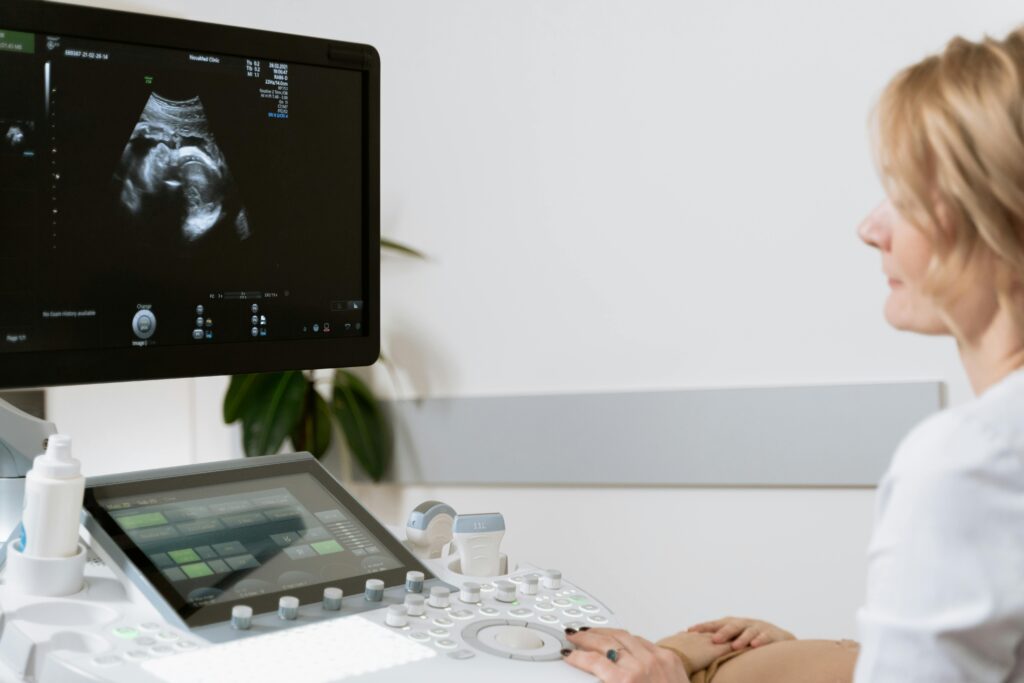
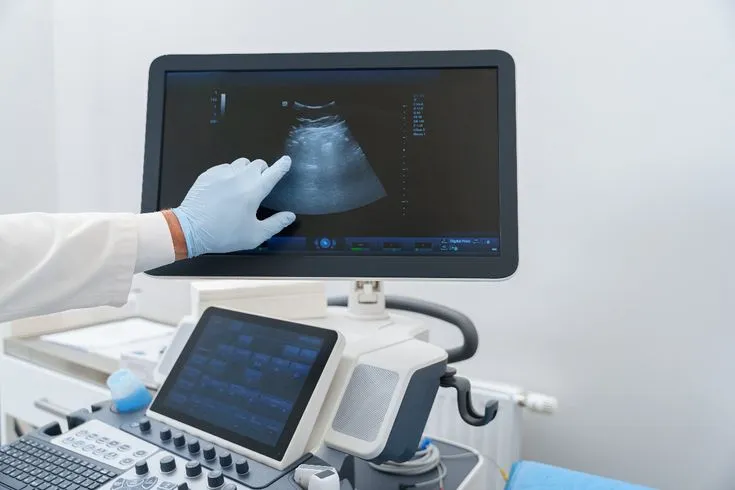
Our ultrasound services are covered by Alberta Health Care, the Medical Services Plan,and other Canadian provincial health insurance providers. This means you receive high-quality diagnostic imaging without paying private provider fees.
If you’re not registered for public healthcare, our team can provide guidance on pricing and booking options.
Wosler Diagnostics is located on Blackfoot Trail in the Meadows Mile Professional Building, right next to Starbucks. Find us on Google Maps.
Parking at Wosler Diagnostics clinics is free at most locations. However, parking in Regina may require payment depending on the parking area. Please check signage when you arrive.
1. Park in the basement in any spot that is not marked as reserved, or in front of the building.
2. Do NOT pay for parking; instead, remember your license plate number.
3. When you arrive at the clinic, please ask the receptionist to register your license plate and validate your parking.
Yes, Wosler Diagnostics is accessible and can accommodate patients with wheelchairs and disabilities.
Bring your ultrasound requisition to Wosler Diagnostics today & receive the service you need without lengthy wait.